Listeners:
Top listeners:
The Sounds of Earth ONE
MUSIC for the Planet. STORIES from the Stars.
Watch EARTH. Hear its SOUNDS.
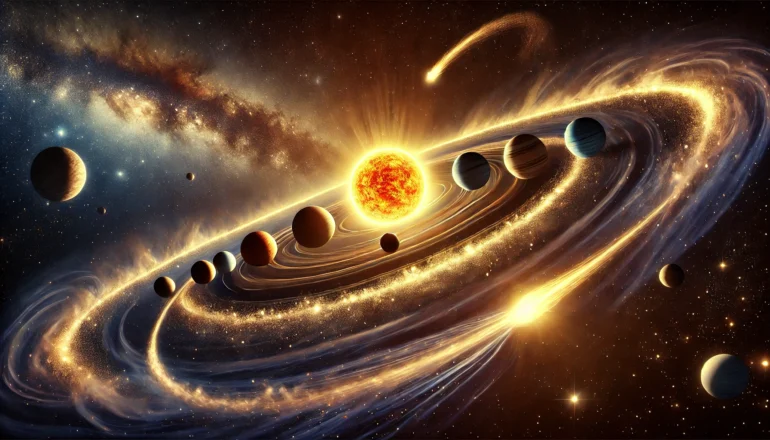
Welcome to the Planetary Music Charts, where the sounds of the cosmos and the rhythm of Earth collide! Each of our solar system’s planets—along with the blazing Sun—has its own chart, featuring songs that carry their name in the title. From Mercury’s speed to Neptune’s mysteries, our celestial neighbors have inspired musicians to reach for the stars and beyond.
Listeners are the lifeblood of these charts, and your voice matters. Here’s how you can make an impact:
Mission Control’s Role
To keep the charts fair and reflective of true listener sentiment, Mission Control reserves the right to “correct” any false influences. This ensures that the charts remain authentic and inspired by genuine enthusiasm.
For the Dissenters
Think you can sabotage a chart by dissing an artist? Think again! DJ Evert is known for his rebellious streak. If a song faces undue negativity, he just might put it on hourly rotation. Love it or hate it, music will always have its day in the sun.
Positive votes are your ticket to influence—chart-topping songs will make their way into our playlists. Who knows? A single vote might even inspire a DJ to call you during EARTHsounds to share your passion for a track!
And finally, a fact that might surprise you: the Sun accounts for 99.86% of the mass in our solar system. The rest? It’s the planets, moons, and you—an essential part of the music and magic of the universe.
So let’s keep the planets spinning and the music playing. Explore the charts, vote, request, and celebrate the infinite inspiration of the cosmos!
Each planet in our solar system holds its unique essence—a story of extremes, beauty, and mystery. These tales invite us to imagine life, sound, and even music from perspectives far beyond our Earthly experience. Here’s how each planet (and the Sun) inspires us: Planetary Music Charts – Planetary Music Charts – Planetary Music Charts – Planetary Music Charts – Planetary Music Charts – Planetary Music Charts – Planetary Music Charts – Planetary Music Charts – Planetary Music Charts – Planetary Music Charts
A Day on Mercury
Mercury is locked in a cosmic tug-of-war between the Sun’s blazing heat and the icy cold of space. On one side, temperatures can soar to 430°C (800°F), while on the dark side, they plunge to -180°C (-290°F). A single Mercurian day (sunrise to sunrise) lasts 176 Earth days. Imagine a relentless Sun in the sky that never seems to set.
Living There
Life on Mercury would demand extreme resilience. Underground shelters would shield you from deadly solar radiation, and survival would hinge on harnessing solar energy during the eternal day.
The Sound of Music
If music were played here, it might sound stark and minimalistic—slow, sparse beats reflecting the long days. Electronic tones could mimic the electric hum of solar winds.
A Day on Venus
A day on Venus lasts longer than its year—243 Earth days of suffocating heat and sulfuric clouds. The planet’s surface, veiled in perpetual gloom, experiences crushing pressures akin to being 900 meters (3,000 feet) underwater.
Living There
Life would thrive only in floating cities above the clouds. Picture glittering habitats drifting through the skies, with golden sunsets filtering through acidic haze.
The Sound of Music
The music of Venus might resemble a symphony of muted horns and soft, lingering chords, blending the mystery of clouds with the oppressive intensity of heat.
Earth’s balance of life, water, and air makes it unique. Its 24-hour day cycles rhythmically through light and dark, driving the heartbeat of nature and humanity.
Living There
This is our home, and its diversity of landscapes, cultures, and ecosystems inspires endless creativity.
The Sound of Music
Earth’s music reflects its variety, ranging from orchestras to indigenous rhythms, electronic beats, and voices echoing across generations.
A Day on Mars
Mars spins almost as quickly as Earth, with a day lasting 24.6 hours. Its skies are painted pinkish-red, its surface is barren and dusty, and temperatures average -60°C (-76°F). It’s a world of canyons, craters, and ancient riverbeds.
Living There
Martian domes would house explorers, powered by solar panels and sheltered from dust storms. Nightlife would be quieter, with starlight cutting through thin air.
The Sound of Music
On Mars, imagine acoustic instruments muted by low atmospheric pressure, replaced by synthesized tones and electronic beats mirroring the endless dust storms.
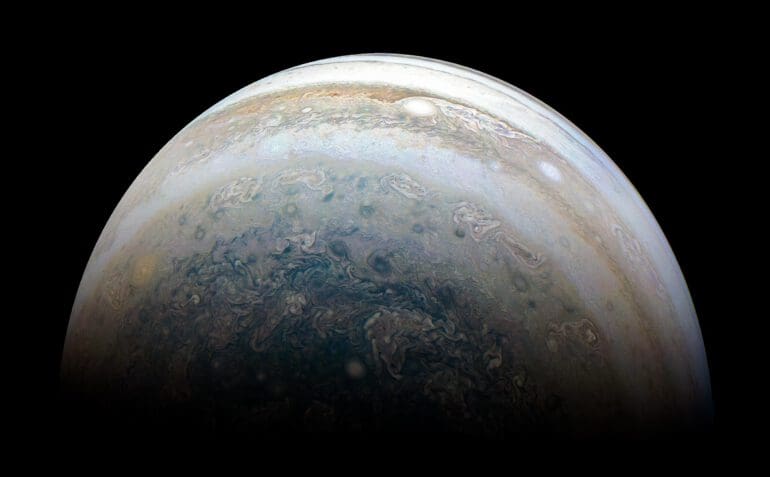
A Day on Jupiter
Jupiter spins faster than any other planet—its day is just 10 hours long. Clouds of ammonia and water vapor swirl in fierce storms, with lightning 10 times more powerful than Earth’s.
Living There
Living on Jupiter’s surface is impossible, but floating cities in its upper atmosphere could ride the turbulence. With a view of the Great Red Spot, your days would be an electrifying spectacle.
The Sound of Music
Jupiter’s music might echo its storms: heavy bass, thundering percussion, and swift crescendos.
A Day on Saturn
A day on Saturn lasts 10.7 hours. Its rings, made of ice and rock, glitter like a cosmic jewel. Saturn is cold, with an average temperature of -138°C (-216°F), and its moons are as diverse as mini-worlds.
Living There
Floating observatories above the rings would offer views of their intricate structure. Imagine the auroras from Saturn’s magnetic field dancing overhead.
The Sound of Music
Saturn’s music would reflect its elegance—harps, strings, and ethereal tones capturing the serenity of its rings.
The Tipped Enigma
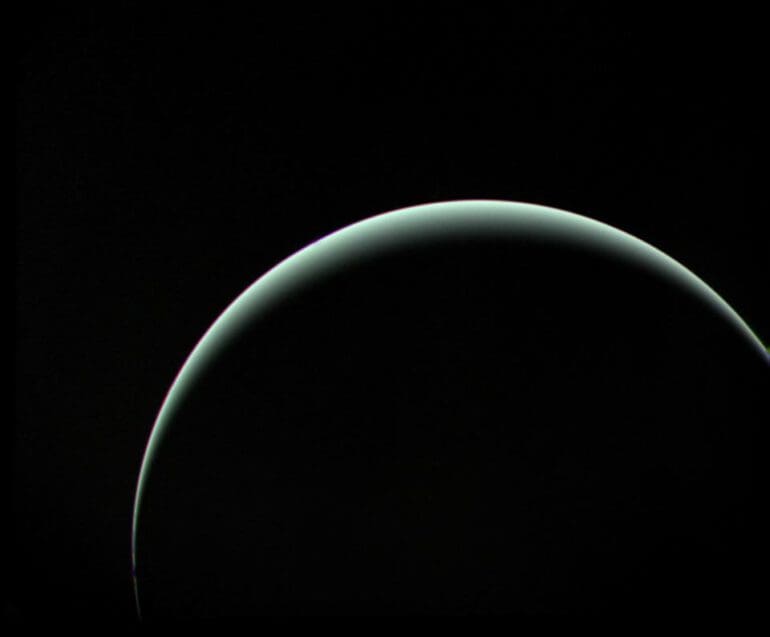
A Day on Uranus
Uranus spins on its side, giving it extreme seasons that last 21 Earth years. A day lasts 17 hours, and its skies are an icy blue. Its atmosphere, full of methane, is eerily calm yet frigid at -224°C (-372°F).
Living There
Life would thrive on its moons, warmed by underground geothermal energy. On Uranus itself, floating cities might glide through blue-green skies.
The Sound of Music
The calm and tilt of Uranus might inspire ambient music—dreamy and otherworldly.
A Day on Neptune
Neptune’s day lasts 16 hours, with winds exceeding 1,200 mph—the fastest in the solar system. Its deep blue color comes from methane, and it’s a world of perpetual storms.
Living There
Subsurface oceans on its moons, like Triton, might host alien life. Neptune’s icy depths remain a frontier of imagination.
The Sound of Music
Neptune’s music would be haunting, full of flowing melodies and the eerie echoes of distant winds.
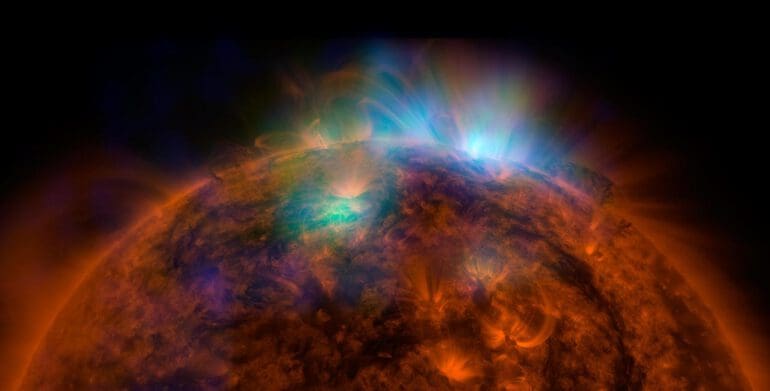
The Heart of It All
The Sun dominates the solar system, supplying light and warmth to all its planets. Its fiery surface churns with plasma and magnetic storms.
Living There
Living on the Sun is impossible, but observing it from a safe distance would reveal a dazzling display of solar flares and prominences.
The Sound of Music
The Sun’s music is hot and relentless—upbeat tempos, fiery strings, and pulsating rhythms that embody its energy.
As you explore each planet’s chart, imagine the sounds they inspire. Each vote shapes the experience, bringing Earth’s music to the cosmos. Whether you sit on your sofa or journey through space, remember: the planets will always inspire, connect, and remind us of the vast universe we call home.
© The Sounds of Earth © 2024 - Broadcast License BUMA/ STEMRA: 81224500